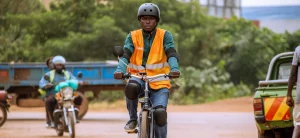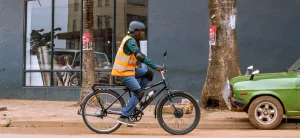
The real cost of moving: bicycle to e-bike
Three things move people and goods short distances in East Africa today: walking, the bicycle, and the petrol motorcycle. Each has a cost. Walking is slow. The bicycle is capped by a rider's legs. The motorcycle burns fuel, needs a licence, and needs servicing many owners can't keep up with.
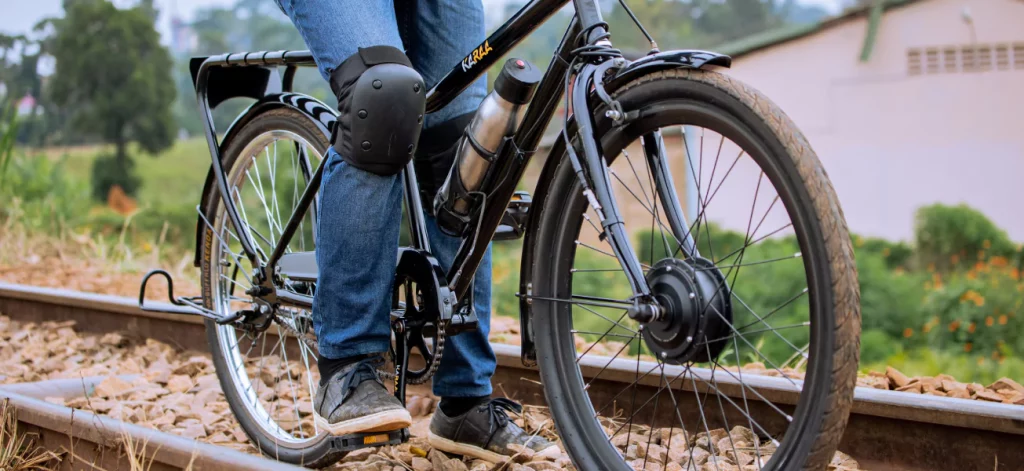
An electric bicycle doesn’t add a fourth option so much as change the trade-off on the option already in widest use. Fit a 250W motor and a 36V battery to a standard bike and a rider covers more ground with more load: 100 kg at 32 km/h assisted, over up to 120 km on a charge (50 to 100 km in real use), at a fraction of a motorcycle’s running cost and with nothing to refuel.
Why this works without a charging network
The reason it works outside cities with charging infrastructure is the battery. It’s removable, and it charges from any ordinary socket or off solar, so the bike works where the grid doesn’t reach reliably. The same pack also runs a pump or lighting when it’s off the bike.
Where the volume already is
Buffalo bicycles alone number in the hundreds of thousands across Zambia, Malawi, Kenya and Zimbabwe, most of them working bikes rather than commuter bikes. That installed base, not a new vehicle category, is where an electric conversion has the most immediate effect: every one of those bikes can be converted rather than replaced.
Kits are assembled in Kampala and fit bikes people already own. A conversion (from UGX 990,000) costs a third of what a new electric bike would, and keeps the frame a rider already trusts.
Do I need a licence to ride a Karaa-converted bicycle?
No. It’s still a bicycle with pedal assist, not a motorcycle, so it doesn’t carry the licensing or registration requirements a petrol boda boda does.
If you want to work out where this fits your fleet, your hub or your own commute, message us on WhatsApp or see current prices on the Bikes & Kits page.