What it costs to run an electric bike fleet
What each Karaa bike costs to run per day, how many drops it makes, and why converting the bikes you already run beats buying new. The fleet maths, in full.
The first question a fleet manager asks is not the sticker price. It is what each bike costs to run per day, and how many drops it makes.
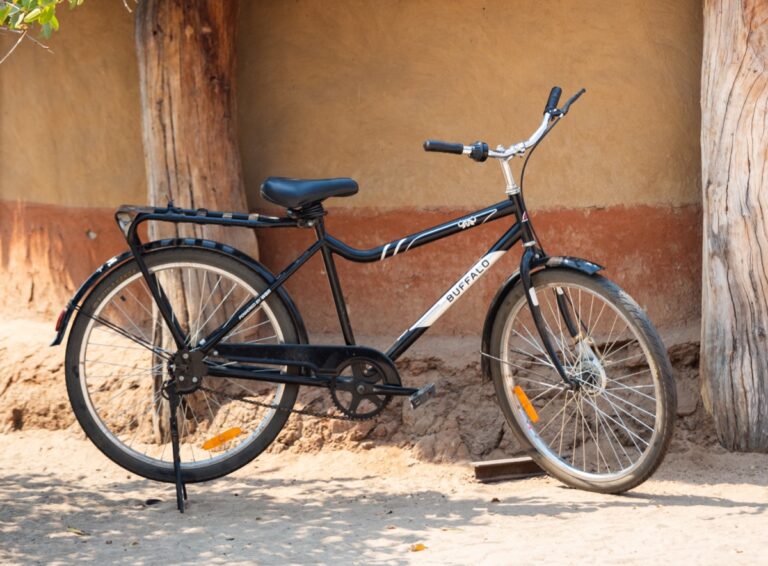
Two ways in. You can convert the bicycles you already run, which is the cheaper route: the long-range kit is UGX 1,650,000 fitted, VAT included for Uganda buyers. Or you take a complete e-bike on the Buffalo frame at UGX 2,695,000. Either way you are buying a kit and a battery, not a fleet of new vehicles.
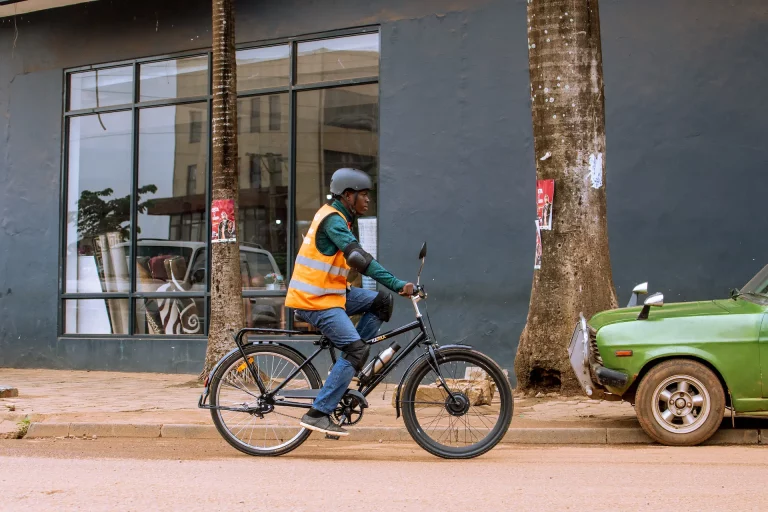
Running cost. There is no fuel. The battery charges from any wall socket in six to seven hours, off the grid or off solar. Against a petrol motorcycle you drop the fuel bill, the licence and most of the service. Against an unpowered bicycle the gain is throughput: 100 kg on the rear rack and up to 120 km of range (50 to 100 km in real-world use) mean more drops per rider per day on the same roads.
Uptime. The battery is removable. A flat pack is swapped for a charged one and the bike keeps working rather than sitting on a charger. GPS tracking, coming soon, will show you where every bike is across a fleet and how hard it is being used, and let you immobilise one remotely.
What is covered. The motor is warranted for 10,000 km or one year, the battery for 500 cycles or one year, and the e-bike frame for five years.
The per-day cost depends on your routes, your loads and how hard the bikes are worked. Tell us how your fleet runs and we will model it for you, then quote.
Send us your route and your load on WhatsApp. We reply within a day.