Electrifying a community health worker fleet: what an NGO programme needs to know
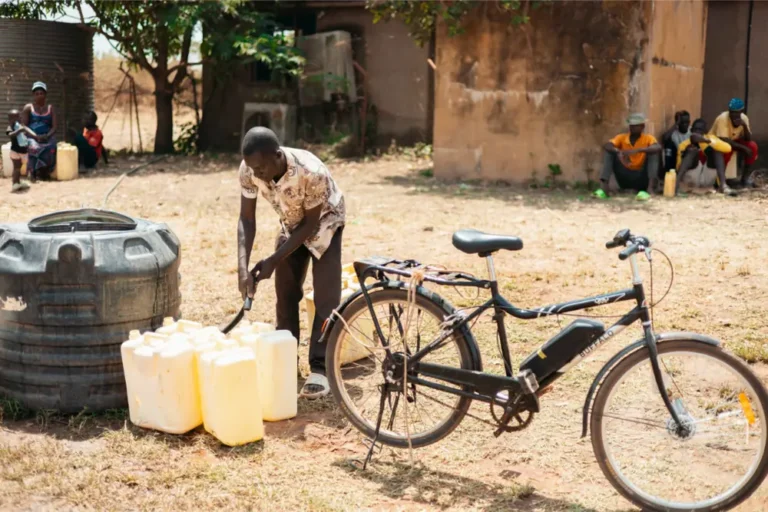
A removable battery is the detail that decides whether an electric CHW fleet works: the same pack that moves the bike can run a fridge or charge phones at a clinic with no grid.
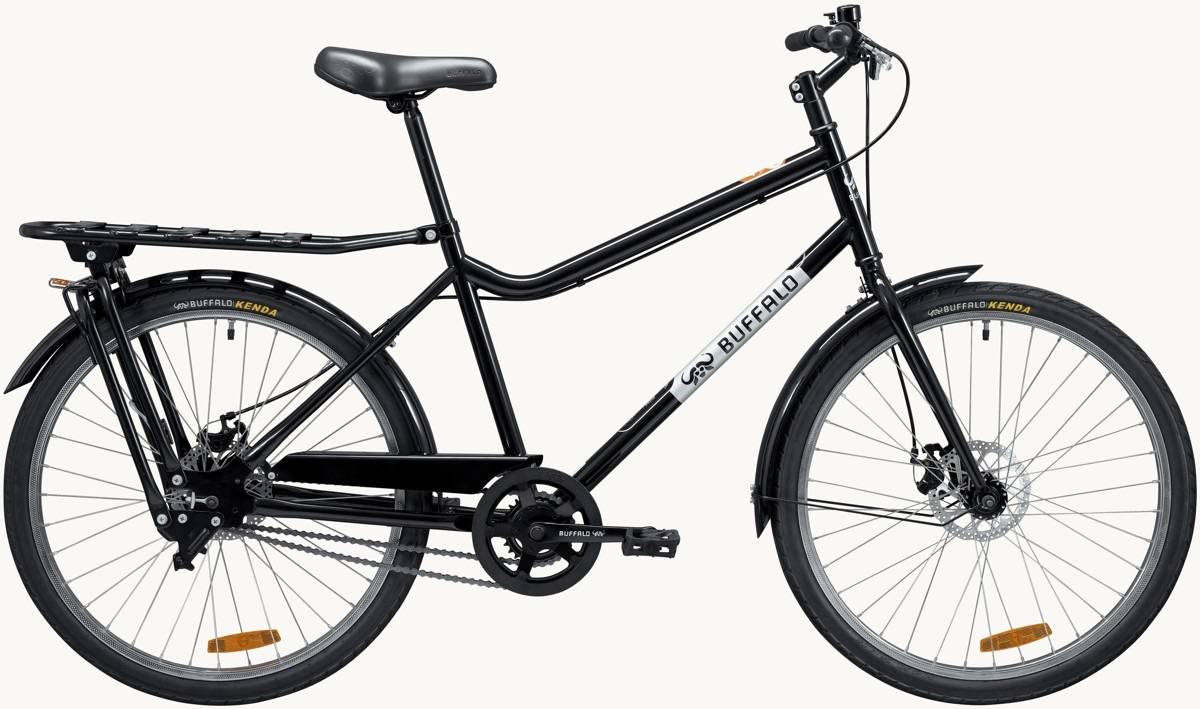
The detail that decides whether an electric bike programme works for community health workers isn’t the bike, it’s the battery: a Karaa pack that comes off the bike can also run a vaccine fridge, lighting or phone charging at a clinic with no reliable grid, which a fixed-battery e-bike cannot do.
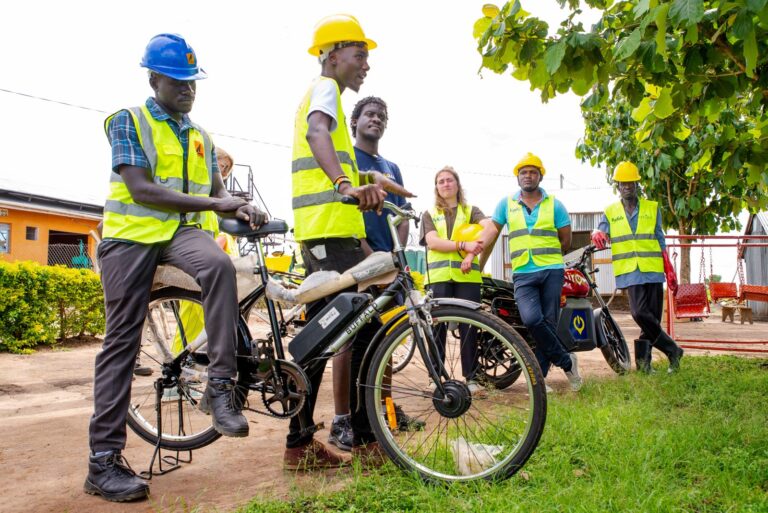
NGO and health programmes already running bicycle distribution (World Bicycle Relief’s Buffalo model is the most common bicycle in this fleet type across Uganda, Zambia, Malawi and Kenya) are a natural fit for conversion rather than a new procurement line. A Karaa kit fits the Buffalo and similar bicycles a programme has already trained riders on, already stocks spares for, and already trusts, without replacing the bicycle itself.
For a programme comparing options, the practical case is straightforward. A CHW covering a rural catchment on foot or by manual bicycle loses hours a week to distance; converted, the same routes run at up to 120 km per charge for about UGX 700 of electricity per 100 km, against roughly UGX 15,000 for the equivalent distance on a petrol motorcycle. Warranty is fixed and predictable for a programme budgeting equipment over several years: 10,000 km or one year on the motor, 500 charge cycles or one year on the battery.
Procurement at programme scale (typically 20 or more units) moves to distributor pricing rather than individual retail, and Karaa can quote landed cost for a defined catchment area once rider count and route distances are known. This is the same conversation already had with fleet operators and dealers; an NGO programme buyer asks the same questions, usually with warranty terms and total multi-year cost weighing heavier than upfront price alone.
Common questions
Can the battery genuinely power something other than the bike today, or is that a future feature? The removable battery physically supports other loads now; a packaged plug-and-play accessory kit for lighting or refrigeration is still in development, so ask us directly about what’s ready for a specific use case.
Does a programme need to buy new bicycles, or can existing ones be converted? Existing bicycles already in a programme’s fleet can be converted, provided they have 26-inch or 29-inch wheels and a sound frame; most Buffalo models qualify without modification.
See programme and volume pricing on the bikes page, or talk to us about a CHW or programme fleet on WhatsApp.
Send us your route and your load on WhatsApp. We reply within a day.