What an e-bike changes for a delivery rider
A delivery rider's income depends on drops made and what each one costs. How a Karaa kit lifts the first and cuts the second, against a petrol boda boda.
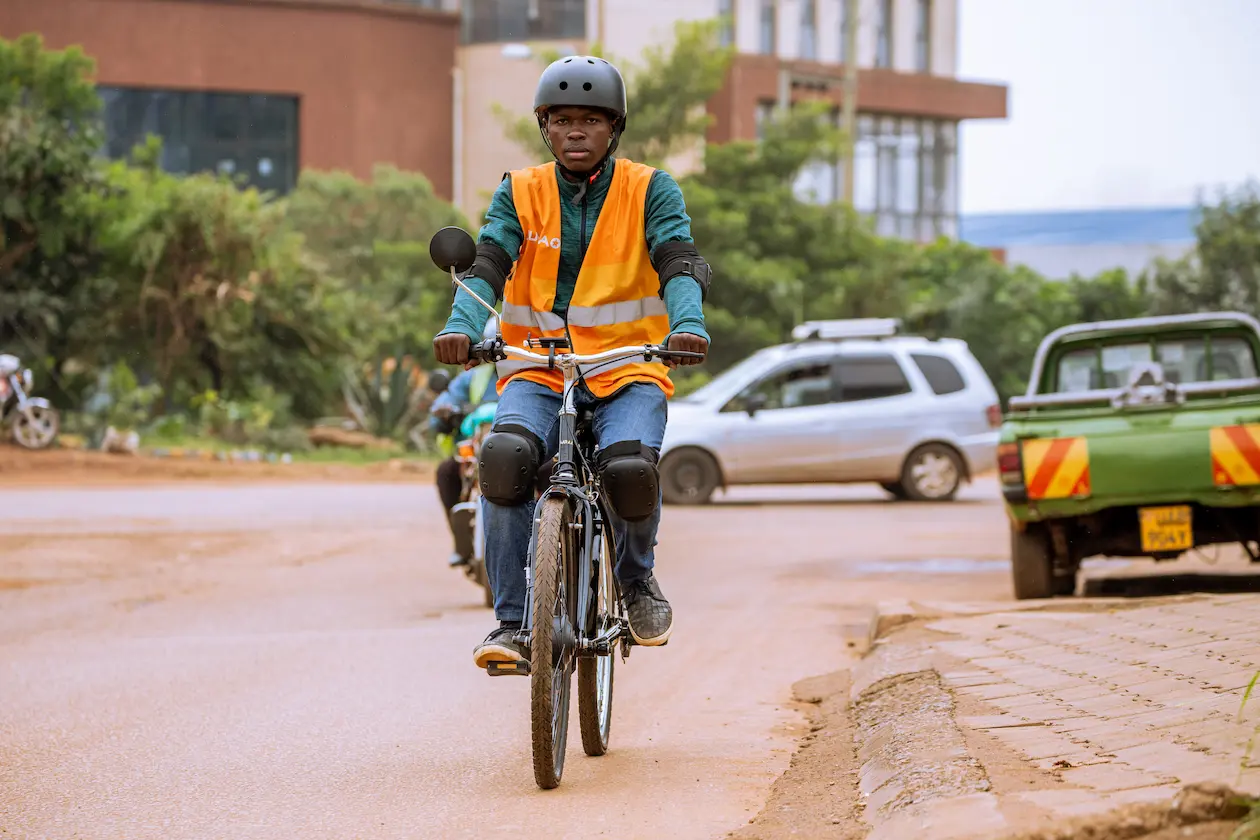
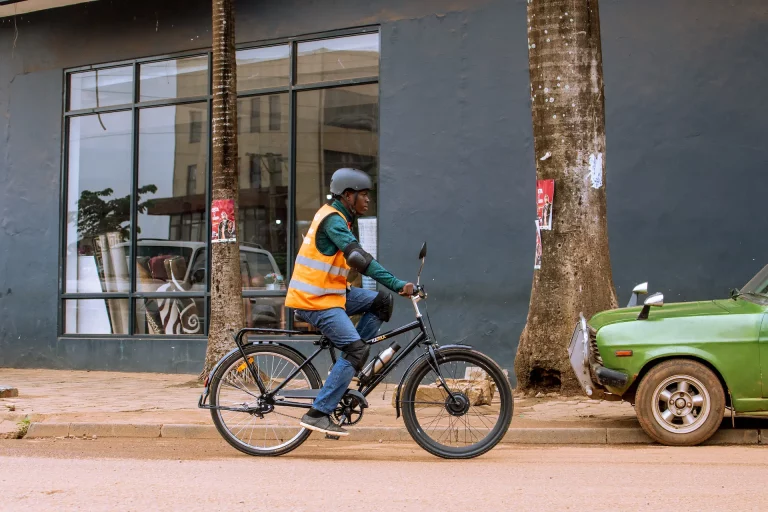
For a delivery rider, income is a function of two things: how many drops you make in a day, and what each drop costs you to complete. A petrol motorcycle makes more drops than a bicycle, but takes a real cut in fuel and servicing. A plain bicycle keeps costs near zero but caps how far and how much you can carry.
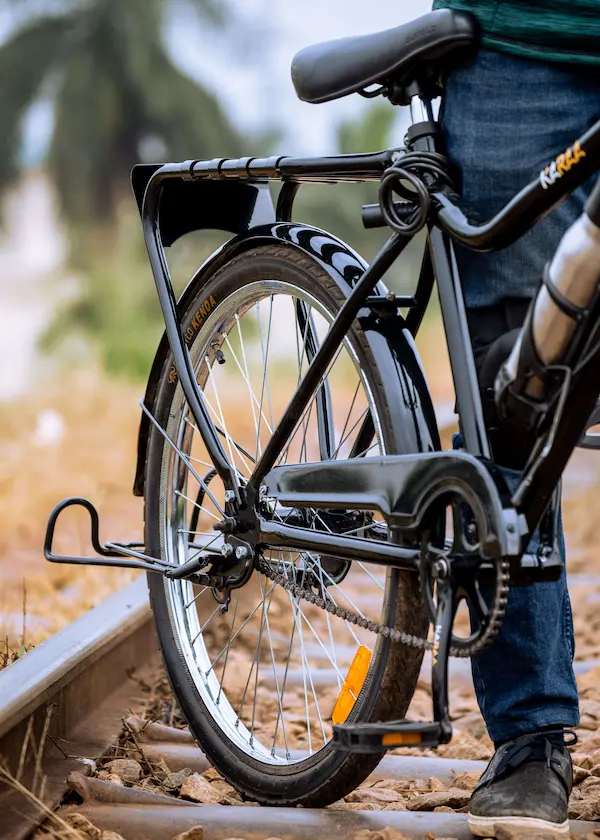
A Karaa kit shifts both sides of that equation. You carry up to 100 kg at 32 km/h assisted, over up to 120 km on a charge (50 to 100 km in a typical shift), so you cover more ground per day. You pay nothing for fuel, because the removable battery charges from any wall socket in six to seven hours, the same one that charges a phone.
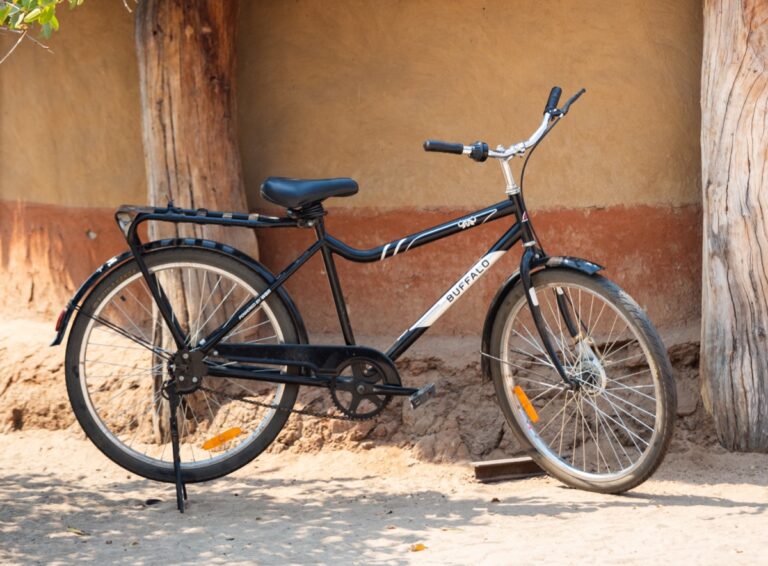
What it costs to get started. Cost of entry is usually the barrier for an individual rider. A conversion kit on a bicycle you already own is a fraction of the price of a new electric motorcycle: the Karaa Range kit costs UGX 1,650,000, fitted. Riders who cover more ground can carry a spare battery (UGX 1,000,000) and swap in seconds, so downtime waiting to charge stops costing them drops.
What it costs to run, against what you earn.
About UGX 700 of electricity moves a Karaa bike 100 km. The same distance on a petrol boda boda costs roughly UGX 15,000 in fuel. Over a working month, that gap is close to the price of the kit itself. GPS tracking, coming soon, will secure the bike as an asset, which matters if you’re paying it down from earnings on a ride-to-own basis.
Kits are assembled in our Kampala workshop and serviced here, so a repair doesn’t wait on an import. If you’re an operator who wants to put riders on these terms, or a rider asking for yourself, message us on WhatsApp and we’ll quote.
Send us your route and your load on WhatsApp. We reply within a day.